Silver Exchange: A Comprehensive Guide to Trading, Investing, and the Rise of Online Platforms
Silver has been a cornerstone of human civilization for millennia, serving as a medium of exchange, a store of wealth, and a versatile industrial material. In modern finance, the Silver Exchange operates as a dynamic marketplace where investors, traders, and manufacturers buy and sell silver in various forms—from raw bullion to exchange‑traded funds (ETFs). This article provides a professional overview of how the silver market functions, the key drivers behind price movements, and the emerging role of digital platforms such as Silverexch Online.
1. The Evolution of Silver Trading
Historically, silver was minted into coins and used for everyday transactions. As economies grew and financial systems became more sophisticated, the need for standardized trading mechanisms gave rise to organized exchanges. The first formal silver market can be traced back to the 19th century, when the London Bullion Market Association (LBMA) set quality standards for silver bars. Over time, other major centers in New York, Zurich, and Hong Kong joined the network, creating a truly global Silver Exchange.
Today, the market is driven not only by physical delivery but also by a suite of financial instruments, including futures contracts, options, and exchange‑traded products. These instruments enable participants to hedge price risk, speculate on short‑term movements, or diversify a broader investment portfolio.
2. Core Participants in the Market
The Silver Exchange accommodates a diverse set of participants, each with distinct objectives:
- Industrial Users: Electronics, solar energy, medical equipment, and automotive manufacturers rely on silver’s superior conductivity and antibacterial properties.
- Investors & Collectors: Individuals seeking a hedge against inflation or currency devaluation often turn to silver bars, coins, and ETFs.
- Speculators: Traders who aim to profit from price volatility typically use futures and options contracts.
- Financial Institutions: Banks and hedge funds leverage the market to manage portfolio risk and provide liquidity.
3. Price Drivers: Supply, Demand, and Macroeconomic Factors
Silver’s price is influenced by a blend of physical market fundamentals and macro‑economic trends:
- Industrial Demand: In 2023, industrial consumption accounted for roughly 50% of total silver demand. Technological advancements—particularly in photovoltaic cells—have steadily increased this share.
- Investment Demand: Economic uncertainty, geopolitical tensions, and currency fluctuations often spark a surge in investment demand, pushing prices higher.
- Mining Production: The global supply of newly mined silver hinges on ore grades, production costs, and regulatory environments. Notable producers include Mexico, Peru, and China.
- Monetary Policy: Low‑interest‑rate environments tend to boost the attractiveness of precious metals, including silver, as alternative stores of value.
- Currency Movements: As silver is priced in U.S. dollars, a weakening dollar typically makes the metal cheaper for foreign buyers, spurring demand.
4. Trading Mechanisms on the Silver Exchange
Modern trading platforms provide multiple avenues for participation:
4.1 Physical Bullion Trading
Investors can purchase certified silver bars or coins directly from dealers affiliated with the Silver Exchange. Physical ownership requires secure storage solutions—either home safes, bank vaults, or third‑party custodial services.
4.2 Futures and Options Contracts
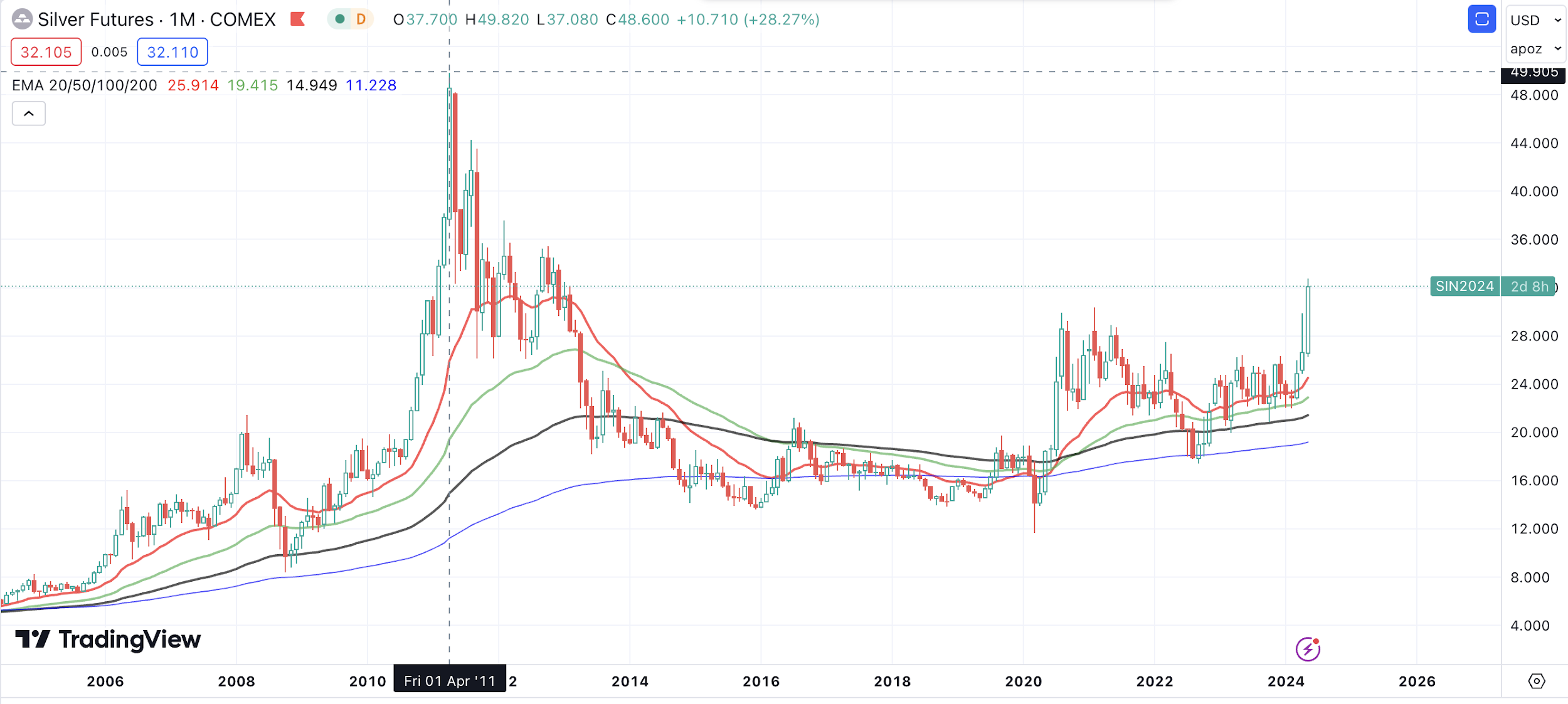
Futures contracts, traded on exchanges such as COMEX (a division of the CME Group), represent an agreement to buy or sell a specified amount of silver at a predetermined price on a future date. Options provide the right, but not the obligation, to execute a similar transaction, offering flexibility for hedging strategies.
4.3 Exchange‑Traded Funds (ETFs) and Mutual Funds
Silver ETFs like the iShares Silver Trust (SLV) mirror the spot price of silver while offering the liquidity of equities. Mutual funds may hold a mix of physical silver and related mining equities, providing diversified exposure.
5. The Rise of Digital Platforms: Introducing Silverexch Online
While traditional exchanges remain vital, the digital age has birthed a new class of platforms designed to simplify and democratize silver trading. Silverexch Online is a prime example—a secure, web‑based portal that integrates live market data, real‑time order execution, and a suite of analytical tools within a user‑friendly interface.
5.1 Features that Set Silverexch Online Apart
- Real‑Time Pricing: Access to live spot prices, futures curves, and currency‑adjusted rates.
- Multi‑Asset Access: In addition to silver, users can trade gold, platinum, and selected cryptocurrencies, facilitating portfolio diversification.
- Secure Custody Options: Integrated vault services ensure that physical holdings are protected under industry‑standard insurance.
- Educational Resources: Webinars, market analyses, and a knowledge base help both beginners and seasoned traders make informed decisions.
5.2 Benefits for Different Market Participants
For industrial buyers, the platform streamlines bulk procurement with transparent pricing and automated delivery schedules. Investors enjoy instant execution of spot purchases, while speculators appreciate the ability to place algorithmic orders, set stop‑loss levels, and monitor margin requirements in real time.
6. Risk Management: Strategies for Silver Investors
Investing in silver, like any asset class, involves risk. Effective risk management hinges on understanding exposure and employing hedging techniques:
- Position Sizing: Limit any single trade to a reasonable portion of total capital—commonly 2‑5%.
- Diversification: Combine silver with other precious metals, equities, or fixed‑income assets to mitigate correlated downturns.
- Stop‑Loss Orders: Predetermine exit points to cap potential losses.
- Hedging with Futures: Use short‑term futures contracts to offset potential declines in physical holdings.
7. Tax Considerations and Regulatory Landscape
Tax treatment of silver varies by jurisdiction. In many countries, physical silver is classified as a collectible, subject to higher capital gains tax rates than standard securities. Conversely, silver ETFs and futures often qualify as “Section 1256 contracts” in the U.S., receiving 60% long‑term and 40% short‑term capital gains treatment irrespective of holding period.
Regulators such as the Commodity Futures Trading Commission (CFTC) and the Securities and Exchange Commission (SEC) oversee derivatives trading, ensuring market integrity. Participants must conduct due diligence on platform compliance, especially when using online portals like Silverexch Online, which should be licensed and adhere to anti‑money‑laundering (AML) standards.
8. Future Outlook: Trends Shaping the Silver Exchange
Several long‑term trends are likely to influence silver’s trajectory:
- Renewable Energy Expansion: As solar installations proliferate, the demand for silver in photovoltaic cells could increase dramatically.
- Technological Innovation: Advances in nanotechnology may open new industrial applications, further solidifying silver’s utility.
- Geopolitical Uncertainty: Periods of turmoil typically drive investors toward tangible assets, bolstering silver’s role as a safe haven.
- Digital Integration: Platforms such as Silverexch Online will continue to lower entry barriers, attracting a broader demographic of retail traders.
- Supply Constraints: Depleting high‑grade ore bodies could tighten supply, potentially leading to price appreciation.
9. How to Get Started on the Silver Exchange
For newcomers, the following roadmap provides a structured approach:
- Education: Begin with foundational resources—books, webinars, and market reports—to understand silver’s intrinsic value and market mechanics.
- Account Setup: Choose a reputable broker or an online platform like Silverexch Online, ensuring it offers the product types you intend to trade.
- Define Objectives: Clarify whether your goal is wealth preservation, speculative gains, or industrial procurement.
- Develop a Strategy: Incorporate risk controls, position sizing, and a clear entry/exit plan.
- Execute Trades: Start with a modest allocation, monitor performance, and adjust based on market feedback.
Conclusion
The Silver Exchange stands at the intersection of tradition and innovation, offering investors a timeless asset with modern flexibility. Whether you are drawn by silver’s industrial demand, its historical role as a store of value, or the excitement of speculative trading, understanding the market fundamentals is essential. Emerging digital platforms—most notably Silverexch Online—are reshaping accessibility, transparency, and efficiency, making it easier than ever to participate in this vibrant market.
By combining rigorous risk management, awareness of tax and regulatory considerations, and a forward‑looking view of industry trends, investors can position themselves to benefit from silver’s unique blend of utility and monetary appeal. The silver market has evolved dramatically over the centuries, and with the tools and knowledge outlined herein, you are well‑equipped to navigate its future.